

Writen by
herradork
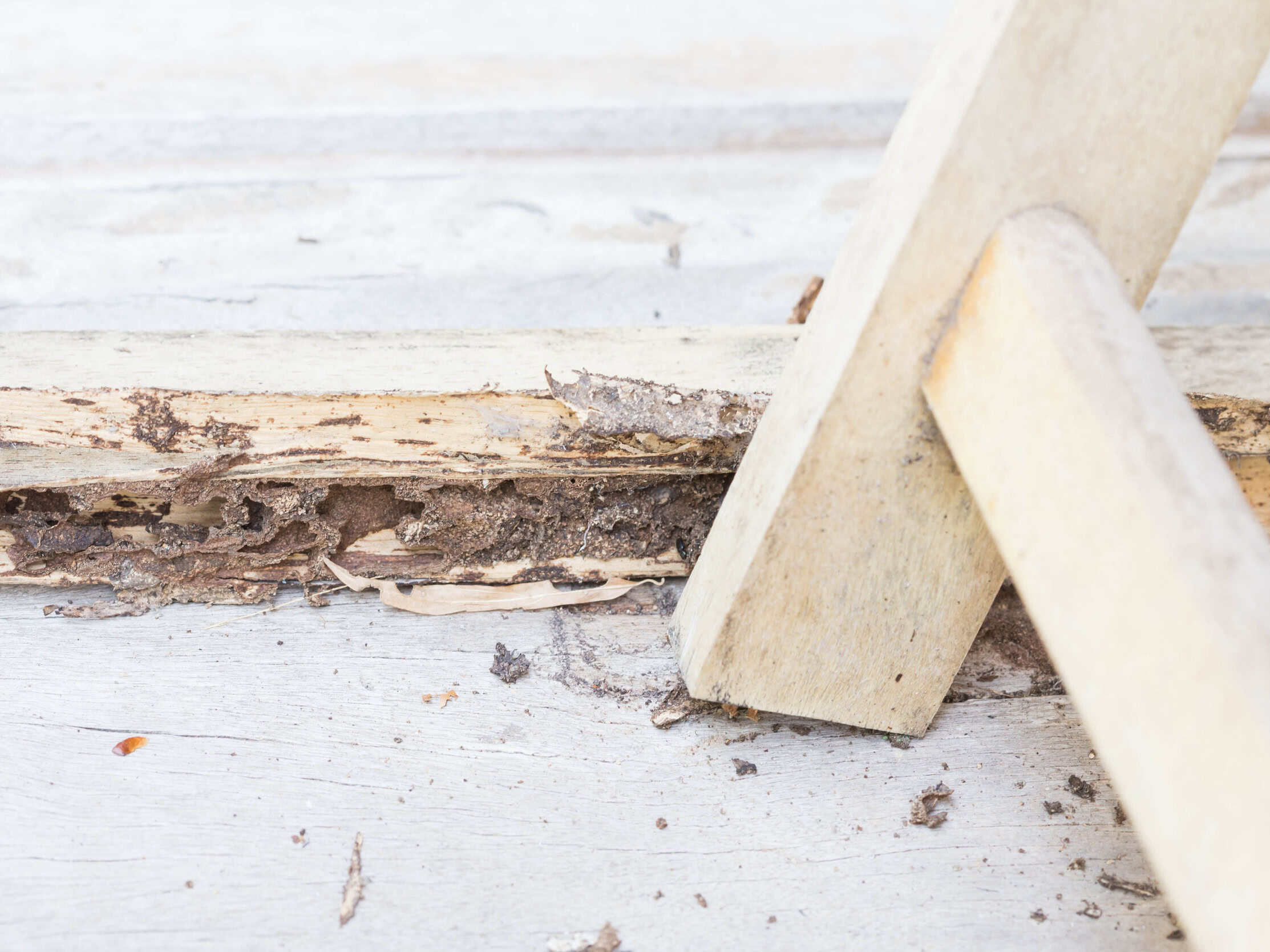
If you own a home, you should never ignore subtle changes in wood, walls, or flooring. Termite Damage Warning Signs often show up quietly, and homeowners usually miss them until repairs become expensive. Because termites work behind the scenes, they can cause serious structural problems long before you notice obvious damage. That’s why understanding Termite Damage Warning Signs matters so much. When you learn what to look for, you can act fast, limit destruction, and protect your investment.
Termites don’t knock on the door and announce their arrival. Instead, they chew through wood, drywall, and support beams silently. Meanwhile, you go about daily life without suspecting anything. However, small clues appear if you pay attention. So let’s break down the key Termite Damage Warning Signs and explain how to catch them early.
Why Termites Cause So Much Trouble
Termites feed on cellulose, which exists in wood and plant materials. Because most homes contain wood framing, flooring, and furniture, termites find plenty of food sources.
Unlike other pests that roam in the open, termites stay hidden inside walls or underground. Therefore, visible evidence often appears late. The longer they stay undetected, the more structural damage they create.
Additionally, termite colonies grow quickly. A single colony can contain thousands of workers. As they expand, they consume wood continuously. So early detection plays a huge role in minimizing repair costs.
Termite Damage Warning Signs Inside Your Home
You don’t need special equipment to spot early clues. Instead, you need awareness.
1. Hollow-Sounding Wood
Tap on wooden beams, baseboards, or door frames. If the wood sounds hollow, termites may have eaten the inside while leaving the surface intact.
Because termites chew from the inside out, the outer layer often looks normal at first glance.
2. Bubbling or Peeling Paint
Many homeowners mistake bubbling paint for water damage. However, termites can create similar effects as they tunnel close to the surface.
If you notice paint distortion without a clear water source, investigate further.
3. Tight-Fitting Doors and Windows
Termite activity can warp wood frames. As termites damage structural wood, doors and windows may become difficult to open or close.
While humidity can also cause swelling, persistent stiffness should raise suspicion.
Termite Damage Warning Signs Around the Foundation
Termites often enter from below ground level. Therefore, your foundation area deserves careful inspection.
Mud Tubes
Subterranean termites build mud tubes to travel between soil and wood. These pencil-sized tunnels often appear along foundations, crawl spaces, or basement walls.
If you break open a tube and see live termites, you need immediate action.
Discarded Wings
During swarming season, reproductive termites leave their colony to start new ones. After they land, they shed their wings.
Finding small piles of wings near windowsills or entry points strongly indicates termite presence.
Wood-to-Soil Contact
Deck posts, fence boards, or siding that touches soil creates easy access for termites. If you see wood directly connected to ground without barriers, you increase infestation risk.
Termite Damage Warning Signs in Walls and Floors
As termites expand their colony, interior surfaces often show subtle damage.
Blistered Flooring
If wood floors start to blister or sag, termites may have weakened the support underneath.
Cracked or Distorted Drywall
Termites sometimes tunnel behind drywall, causing faint cracks or unusual patterns.
Faint Clicking Sounds
In quiet rooms, you might hear faint clicking noises inside walls. Soldier termites bang their heads against tunnels to signal danger, creating subtle sounds.
Although rare, this clue can confirm activity in severe infestations.
How to Differentiate Termites from Other Pests
Carpenter ants and wood-boring beetles also damage wood. However, termites consume wood, while carpenter ants carve tunnels but leave sawdust behind.
If you notice small piles of wood shavings, you likely deal with ants rather than termites.
Termite tunnels look smooth and lined with mud, whereas beetle damage often leaves small exit holes.
Knowing these distinctions helps you choose the right treatment approach.
Termite Damage Warning Signs: Seasonal Clues
Certain times of year increase termite visibility.
Spring often brings swarming activity. Warm weather and rain encourage reproductive termites to leave colonies.
If you see flying insects indoors during spring, inspect carefully. Many people confuse termite swarmers with flying ants. However, termite swarmers have straight antennae and equal-length wings.
Seasonal awareness strengthens your detection strategy.
Why Early Detection Saves Money
Termites cause billions of dollars in property damage annually. Insurance policies rarely cover termite destruction because insurers classify it as preventable maintenance.
If you catch infestation early, you can treat affected areas before structural damage spreads.
However, if termites weaken support beams or flooring significantly, repair costs can skyrocket quickly.
Therefore, regular inspections protect both safety and finances.
How to Prevent Termite Infestations
Prevention reduces risk significantly.
- Keep wood away from soil contact
- Fix leaks promptly
- Maintain proper drainage around foundation
- Store firewood away from the house
- Schedule annual professional inspections
Moisture attracts termites. When you eliminate excess moisture and wood exposure, you create an unfriendly environment for colonies.
When to Call a Professional
If you confirm multiple Termite Damage Warning Signs, contact a licensed pest control expert immediately.
Professionals use specialized tools like moisture meters and infrared technology to detect hidden colonies. They also apply targeted treatments such as bait systems or liquid barriers.
While DIY solutions exist, severe infestations require professional expertise to eliminate colonies completely.
The Cost of Ignoring the Signs
Ignoring Termite Damage Warning Signs can compromise structural integrity. Weak beams can sag, floors can collapse, and repairs can disrupt daily life.
Additionally, untreated infestations often spread to neighboring structures. The longer termites stay active, the larger the colony grows.
Taking action quickly prevents long-term stress and financial strain.
Final Thoughts
Termites don’t create loud chaos like storms or floods. Instead, they quietly destroy wood over time. That silent nature makes awareness essential. By learning the most common Termite Damage Warning Signs, you empower yourself to detect problems early.
Inspect wood surfaces regularly. Watch for mud tubes, discarded wings, hollow sounds, and warped frames. If something feels off, investigate immediately.
Homeownership requires vigilance. When you stay proactive, you protect your property, preserve structural strength, and avoid costly surprises down the road.

22 Comments
Comments are closed.