

Writen by
herradork
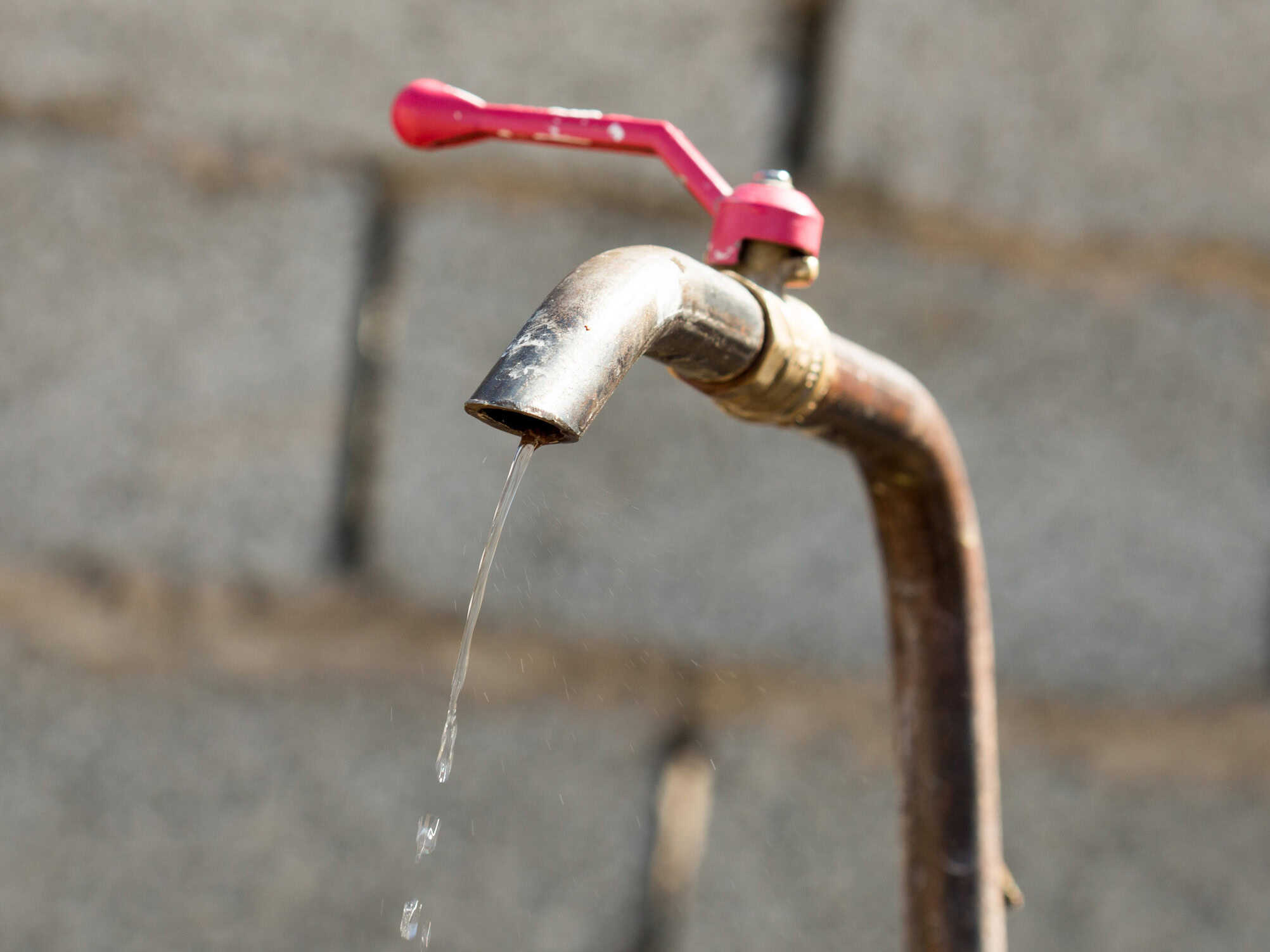
Few things feel more frustrating than stepping into the shower and getting a weak trickle instead of a strong stream. If you constantly deal with slow sinks or disappointing showers, you probably need practical Low Water Pressure Fixes. Fortunately, most pressure problems don’t require a full plumbing overhaul. In fact, many Low Water Pressure Fixes involve simple adjustments you can handle yourself. Before you panic or assume major pipe damage, take a closer look at common causes and straightforward solutions.
Water pressure issues can develop gradually, so you might not notice the change right away. However, once daily routines start feeling inconvenient, you know something needs attention. By learning effective Low Water Pressure Fixes, you can restore performance, improve comfort, and even prevent larger plumbing issues down the road.
What Causes Low Water Pressure?
Before jumping into repairs, you need to identify the root cause. Low pressure can come from several different sources, and each requires a specific approach.
Clogged Fixtures
Mineral buildup often blocks showerheads and faucets. Hard water leaves deposits that restrict flow over time.
Leaks in Plumbing
Even small leaks reduce pressure significantly. When water escapes before reaching fixtures, flow weakens.
Faulty Pressure Regulator
Some homes use a pressure regulator to control incoming water pressure. If it malfunctions, pressure can drop throughout the house.
Municipal Supply Issues
Sometimes the issue comes from the city water supply. Construction, maintenance, or seasonal demand can temporarily lower pressure.
Because causes vary, you should test and inspect carefully before choosing a solution.
Low Water Pressure Fixes You Can Try First
Let’s start with the easiest and most affordable solutions.
Clean Showerheads and Faucets
Unscrew the showerhead and soak it in vinegar for several hours. Vinegar dissolves mineral buildup effectively. After soaking, scrub gently with a brush and rinse thoroughly.
For faucets, remove the aerator and clean out debris. Often, this simple step restores strong flow immediately.
Check the Main Shutoff Valve
Sometimes someone accidentally turns the main water valve partially closed. Locate the valve near your water meter and ensure it remains fully open.
Small adjustments can dramatically improve flow.
Inspect for Visible Leaks
Look under sinks, around toilets, and near exposed pipes. If you see dripping water or damp areas, address those leaks quickly. Fixing even minor leaks can restore pressure and prevent further damage.
These quick Low Water Pressure Fixes often solve common household problems without professional help.
Low Water Pressure Fixes for Whole-House Problems
If pressure feels weak in every fixture, the issue may involve larger plumbing components.
Test Your Pressure Regulator
Attach a water pressure gauge to an outdoor spigot. Normal household pressure typically ranges between 40 and 60 PSI. If readings fall significantly below that range, your pressure regulator may need adjustment or replacement.
Adjusting a regulator requires careful handling. If you feel unsure, consult a licensed plumber.
Examine Your Water Heater
Sediment buildup in your water heater can restrict hot water flow. If only hot water pressure seems low, flushing the water heater may solve the problem.
Regular maintenance helps prevent buildup and keeps water flowing efficiently.
Evaluate Pipe Corrosion
Older homes with galvanized steel pipes may experience internal corrosion. Over time, corrosion narrows pipe openings and restricts water flow.
Replacing corroded pipes requires professional assistance, but identifying the issue early helps you plan accordingly.
When Low Pressure Affects Only One Fixture
If only one sink or shower struggles, focus your inspection there.
First, remove and clean the aerator or showerhead. Second, check supply lines beneath the sink. Make sure valves remain fully open. Third, inspect cartridges inside faucets, as worn components can reduce flow.
Targeted troubleshooting saves time and money.
Low Water Pressure Fixes and Hard Water Solutions
Hard water contributes heavily to pressure problems. Mineral deposits clog pipes and fixtures gradually.
Installing a water softener can reduce mineral buildup significantly. While installation requires upfront investment, long-term benefits include:
- Improved water flow
- Longer appliance lifespan
- Cleaner dishes and laundry
- Reduced plumbing maintenance
If you live in an area with hard water, addressing the source prevents recurring pressure issues.
Outdoor Water Pressure Problems
Sometimes outdoor spigots or sprinkler systems show weak flow.
Check hoses for kinks or cracks. Replace damaged hoses immediately. Additionally, inspect backflow preventers for clogs.
If your irrigation system runs simultaneously with household water use, pressure may drop temporarily. Stagger usage times to maintain steady flow indoors.
Municipal Water Supply Factors
Before investing in repairs, confirm whether your neighbors experience similar issues. If multiple homes report low pressure, the city supply may cause the problem.
Contact your local water department to inquire about ongoing maintenance or construction.
In such cases, patience may solve the issue without additional expense.
Preventative Low Water Pressure Fixes
Prevention reduces future headaches.
Schedule Annual Plumbing Inspections
Professional inspections can detect leaks or corrosion early.
Flush Your Water Heater Regularly
Sediment accumulates naturally over time. Flushing annually maintains strong hot water pressure.
Install Pressure Gauges
Monitoring pressure periodically helps you catch changes quickly.
Use Drain Screens
Screens reduce debris buildup and protect pipes from clogs.
By staying proactive, you minimize sudden pressure drops.
When to Call a Professional
If DIY efforts fail to restore pressure, professional plumbers can diagnose complex issues quickly. They use specialized equipment to detect hidden leaks, underground pipe damage, or regulator malfunctions.
Additionally, persistent pressure fluctuations may indicate serious plumbing concerns. Early intervention prevents expensive structural repairs.
Never ignore signs like banging pipes, discolored water, or sudden drops in pressure.
Cost Considerations
Minor fixes like cleaning fixtures cost almost nothing. Replacing a pressure regulator may cost a few hundred dollars. Pipe replacement, however, can require larger investments.
However, addressing small issues early helps you avoid major repairs later.
Think of these Low Water Pressure Fixes as preventative maintenance that protects your home’s plumbing system.
Final Thoughts
Weak water flow can disrupt daily routines, but you don’t need to feel stuck. Most Low Water Pressure Fixes involve simple cleaning, inspection, or small adjustments. By identifying the cause early, you can restore strong, steady water flow without major stress.
Start with the easiest solutions. Clean fixtures, check valves, and inspect for leaks. If problems persist, test your pressure regulator or consult a professional.
With the right approach, you can solve low water pressure issues efficiently and enjoy comfortable showers and smooth-running faucets again.

19 Comments
Comments are closed.