

Writen by
herradork
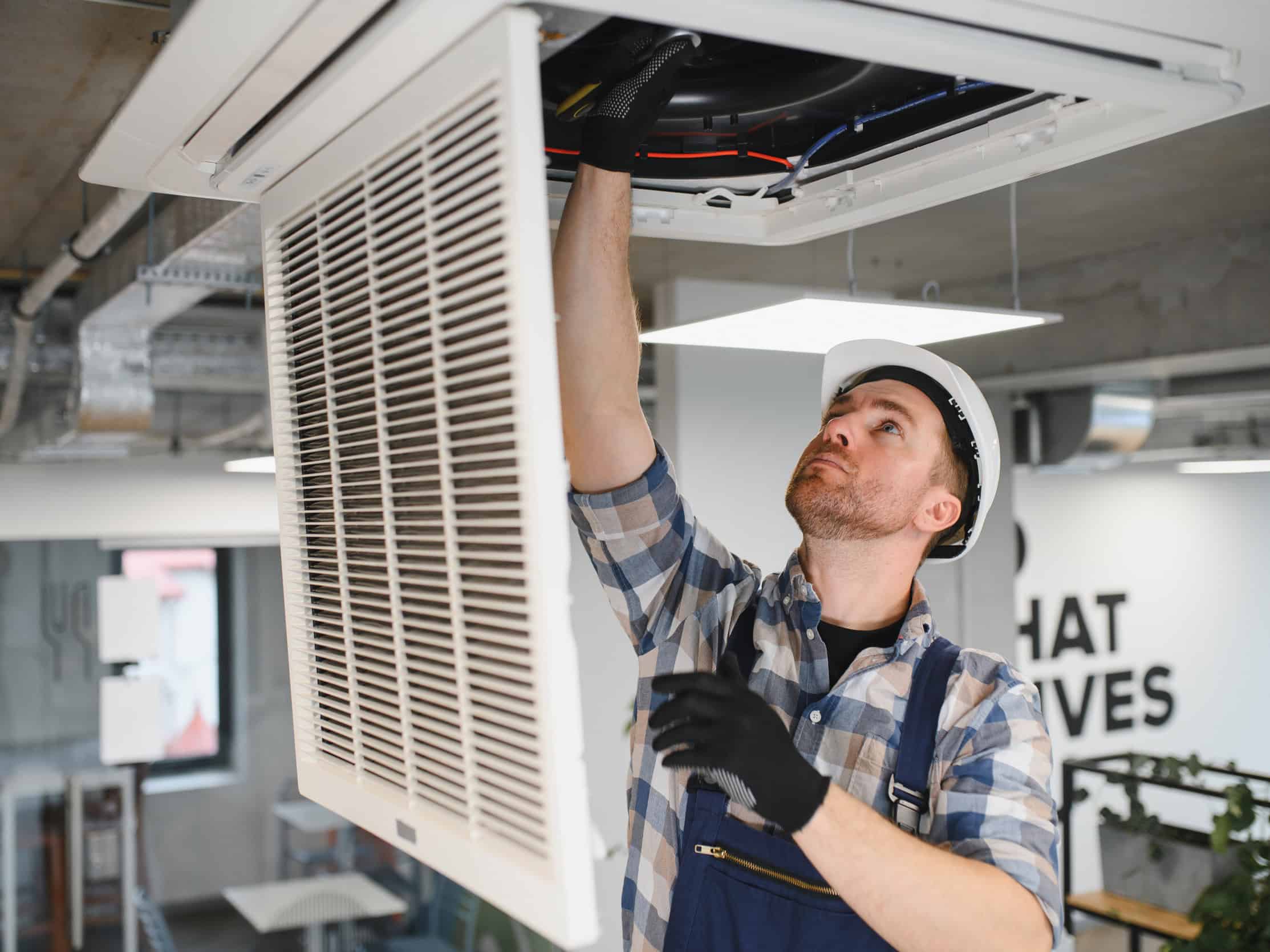
If you’re looking for a stable career with strong pay and long-term growth, you should seriously consider HVAC Careers in High Demand. Right now, companies across the country search aggressively for skilled technicians, installers, and system specialists. Because homes, offices, hospitals, and factories rely on heating and cooling systems every single day, the demand never slows down. When you look closely at HVAC Careers in High Demand, you quickly realize this field offers more than just job security—it offers opportunity, flexibility, and real income potential.
Moreover, the push for energy efficiency and climate control keeps expanding. New construction projects pop up constantly, and older buildings need upgrades. As a result, skilled workers step into a market that values their expertise. So let’s break down why this industry grows so quickly and how you can position yourself for success.
Why HVAC Careers in High Demand Keep Growing
Several major factors fuel this surge. First, extreme weather patterns drive higher reliance on air conditioning and heating systems. When temperatures spike in summer or drop sharply in winter, homeowners and businesses depend heavily on HVAC systems. Consequently, they need technicians who can install, repair, and maintain those systems efficiently.
Second, aging infrastructure plays a big role. Many buildings still run outdated systems that waste energy. Property owners want upgrades to improve efficiency and lower utility bills. That desire creates consistent work for trained professionals.
Additionally, skilled trades face a workforce gap. Many experienced technicians retire, while fewer young workers enter the trades. This gap creates massive opportunity. Because supply stays limited and demand keeps rising, wages increase steadily.
HVAC Careers in High Demand: Top Roles to Consider
When people hear “HVAC,” they often picture a repair technician. However, the field includes several specialized roles. Understanding these options helps you choose the right path.
HVAC Technician
Technicians diagnose problems, repair systems, and perform maintenance. They work directly with customers and solve real-world issues daily.
HVAC Installer
Installers focus on setting up new systems in residential and commercial buildings. They read blueprints, connect ductwork, and ensure proper airflow.
Refrigeration Specialist
Refrigeration experts handle systems used in supermarkets, restaurants, and industrial settings.
HVAC Sales Consultant
Sales professionals help customers choose systems that fit their needs and budget.
Controls Technician
These specialists work with smart thermostats and automated building systems.
Because each role offers different responsibilities, you can tailor your career to your strengths.
How Much Can You Earn?
Let’s talk numbers. Entry-level technicians often start with competitive hourly wages. However, as you gain certifications and experience, your earning potential increases significantly.
Many experienced HVAC professionals earn strong six-figure incomes, especially if they specialize or start their own businesses. Additionally, overtime opportunities often boost annual earnings.
Unlike many corporate jobs, this field rewards hands-on skill development directly. The more you learn, the more you earn.
HVAC Careers in High Demand: Education and Training Path
You don’t need a four-year degree to enter this field. In fact, many professionals start through trade schools or apprenticeship programs.
Trade School
Technical programs usually take 6 to 24 months. Students learn system design, electrical fundamentals, and safety standards.
Apprenticeships
Apprentices earn while they learn. They work under experienced technicians and gain hands-on skills daily.
Certifications
EPA certification allows technicians to handle refrigerants legally. Additional certifications improve job prospects and pay rates.
Because training focuses on practical skills, you start working much faster compared to traditional college paths.
Why Energy Efficiency Fuels Job Growth
Energy efficiency drives one of the biggest expansions in HVAC Careers in High Demand. Governments and businesses push for greener buildings. Therefore, they upgrade systems to reduce carbon footprints.
Smart thermostats, heat pumps, and high-efficiency air conditioners require skilled installation. Technicians who understand modern systems gain a major advantage in the job market.
Moreover, customers actively seek cost savings. When energy prices rise, homeowners invest in upgrades quickly. That steady demand ensures ongoing work.
The Impact of Smart Technology
Smart home systems continue to evolve rapidly. HVAC systems now integrate with mobile apps and automated controls. Because of that shift, technicians need both mechanical and digital knowledge.
If you embrace technology, you can stand out. Learning about smart thermostats, building automation systems, and remote diagnostics positions you at the forefront of the industry.
Technology doesn’t eliminate jobs here. Instead, it increases the need for skilled workers who understand modern equipment.
HVAC Careers in High Demand: Benefits Beyond Pay
While strong income attracts many people, other benefits make this field appealing.
Job Security
Heating and cooling systems never go out of style. Every building needs climate control.
Independence
Many technicians eventually start their own businesses.
Daily Variety
You rarely sit at a desk all day. Instead, you solve different problems each shift.
Career Advancement
Supervisory roles, project management, and entrepreneurship offer long-term growth.
Because of these advantages, many professionals stay in the industry for decades.
Challenges You Should Expect
No career comes without challenges. HVAC professionals often work in hot attics, cold basements, and tight spaces. Physical stamina plays a key role.
Additionally, emergency repair calls can happen during nights or weekends. However, those calls often come with higher pay rates.
If you enjoy hands-on work and problem-solving, these challenges feel manageable and even rewarding.
How to Get Started Today
If you feel interested, take practical steps immediately.
- Research local trade schools.
- Look for apprenticeship openings.
- Connect with HVAC companies in your area.
- Study for EPA certification.
- Learn basic electrical principles online.
Taking action quickly gives you momentum.
Long-Term Outlook
Industry experts consistently rank skilled trades among the fastest-growing career paths. Construction growth, climate changes, and energy upgrades ensure steady demand.
Furthermore, as experienced technicians retire, younger professionals gain more opportunities. That generational shift strengthens the job market even further.
When you evaluate all factors together, HVAC Careers in High Demand represent one of the most stable and practical career choices available today.
Final Thoughts
If you want strong income, job security, and real-world skills, this field deserves serious attention. HVAC Careers in High Demand continue expanding due to energy efficiency trends, smart technology integration, and workforce shortages. Moreover, you can enter the industry without years of expensive college debt.
With the right training and dedication, you can build a reliable, rewarding career. So instead of chasing uncertain paths, consider stepping into an industry that values skill, effort, and expertise every single day.

17 Comments
Comments are closed.