
Writen by
herradork
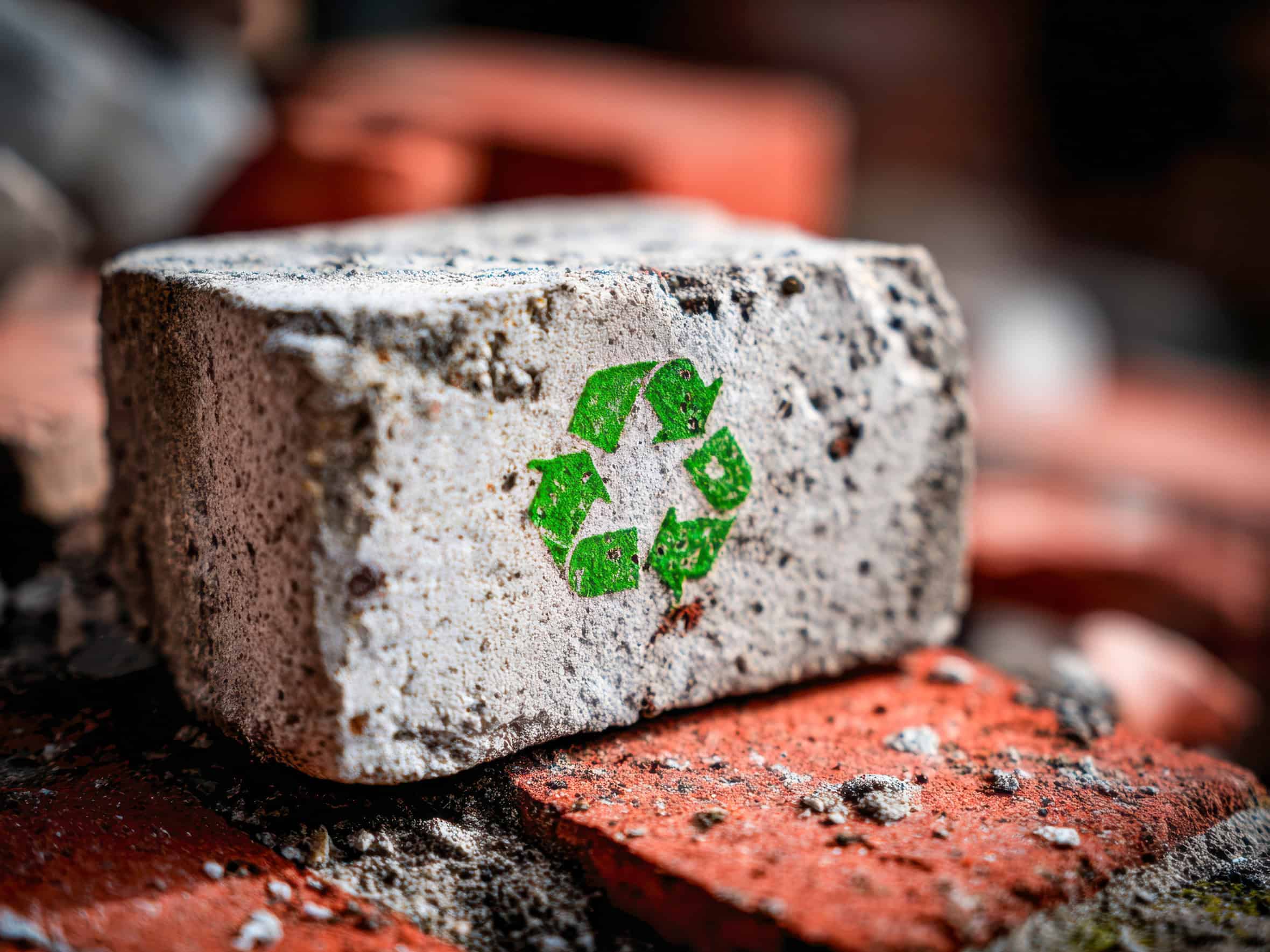
Concrete is everywhere — from sidewalks to skyscrapers. But as the world focuses on sustainability, traditional concrete faces serious scrutiny for its environmental impact. That’s where Eco-Friendly Concrete comes in. This innovative material is transforming how we build, cutting carbon emissions while maintaining the strength and durability construction projects need.
More builders, engineers, and even homeowners now recognize that Eco-Friendly Concrete isn’t just a green gimmick — it’s the future of construction work. It combines modern technology, recycled materials, and cleaner production processes to make building both smarter and more sustainable. Let’s break down how this game-changer is reshaping the construction industry.
Why Traditional Concrete Needs a Makeover
Concrete is the backbone of modern infrastructure, but it has a big environmental footprint. Producing traditional cement — the key ingredient in concrete — releases massive amounts of carbon dioxide. In fact, the cement industry alone contributes around 8% of global CO₂ emissions.
That’s why Eco-Friendly Concrete has become such a hot topic in construction. It offers a smarter, cleaner alternative by reducing emissions, reusing waste materials, and extending the lifespan of structures. Instead of pouring out pollution, it paves the way for a greener industry.
The shift toward sustainable building isn’t just about saving the planet. It’s also about cutting costs, meeting new environmental regulations, and appealing to eco-conscious clients.
What Makes Concrete “Eco-Friendly”?
So what exactly turns ordinary concrete into Eco-Friendly Concrete? It comes down to three main factors: the materials used, the production process, and the performance.
- Alternative Materials — Manufacturers replace a portion of traditional Portland cement with greener substitutes like fly ash, slag, or silica fume. These materials are often byproducts from other industries, turning waste into something useful.
- Lower Emissions — New technologies reduce the energy required to produce cement, minimizing CO₂ output. Some companies even use carbon capture systems that trap emissions before they reach the atmosphere.
- Better Performance — Surprisingly, Eco-Friendly Concrete often lasts longer than conventional mixes. It resists cracks, absorbs less water, and requires fewer repairs over time.
Together, these improvements create a product that’s not only better for the environment but also more efficient for builders.
The Rise of Green Construction
Over the past decade, green construction has gone from niche to normal. Governments, corporations, and developers are under growing pressure to meet sustainability goals. Using Eco-Friendly Concrete helps meet those targets while improving the overall quality of a project.
For instance, LEED-certified buildings (Leadership in Energy and Environmental Design) often rely on sustainable materials like Eco-Friendly Concrete to earn credits toward certification. Builders benefit from lower energy use, improved durability, and better indoor air quality — all while boosting their reputation as eco-conscious contractors.
Even local projects, like driveways or patios, can use green concrete options. Consumers increasingly prefer eco-responsible materials, especially when they reduce long-term maintenance costs.
Types of Eco-Friendly Concrete
Not all Eco-Friendly Concrete is the same. Let’s look at some of the most popular innovations shaping the industry today:
- Geopolymer Concrete – Made from industrial waste materials like fly ash or slag, this type of concrete produces up to 80% fewer emissions than traditional cement. It’s durable, heat-resistant, and gaining traction in major infrastructure projects.
- Recycled Aggregate Concrete – This mix uses crushed concrete from demolished structures as aggregate. It reduces waste and limits the need for new raw materials.
- CarbonCure Concrete – A newer tech that injects recycled CO₂ into the concrete mix, permanently trapping carbon while increasing strength.
- Self-Healing Concrete – Embedded bacteria or microcapsules automatically seal small cracks when they appear, extending the material’s life and reducing repair costs.
- Lightweight Concrete – Created with recycled or natural lightweight materials, it reduces the overall weight of structures, cutting transportation emissions and energy use.
Each type brings something unique to the table, proving that sustainability doesn’t mean sacrificing performance.
Benefits of Eco-Friendly Concrete for Builders
Switching to Eco-Friendly Concrete pays off in multiple ways beyond environmental impact.
- Cost Savings: Although it can cost slightly more upfront, long-term savings come from lower maintenance and extended durability.
- Energy Efficiency: Many mixes reduce the heat island effect in cities, keeping buildings cooler and cutting energy costs.
- Regulatory Compliance: As more governments introduce carbon regulations, using green materials helps companies stay ahead of the curve.
- Marketing Advantage: Builders and contractors using sustainable materials attract eco-conscious clients and win more bids.
In short, Eco-Friendly Concrete isn’t just good for the planet — it’s good for business.
Eco-Friendly Concrete in Real Projects
You can already find Eco-Friendly Concrete in action across the globe. For example, major cities like Los Angeles and London now require sustainable materials in public projects. The Sydney Opera House renovation even included green concrete in some areas to improve sustainability.
In residential construction, eco-concrete is popular for driveways, countertops, and foundations. Builders appreciate its strength, while homeowners love the long-term value and lower environmental footprint.
Even decorative concrete — like polished or stamped designs — now comes in eco-friendly options using recycled pigments and low-carbon mixes.
The Future of Eco-Friendly Concrete
The potential for innovation is huge. Researchers continue developing new methods to enhance Eco-Friendly Concrete — including 3D-printed concrete, bio-based materials, and even concrete that absorbs CO₂ from the air.
As technology evolves, production costs will drop, making sustainable options more accessible for all types of projects. Eventually, traditional concrete may become the exception, not the rule.
Governments and corporations alike are investing heavily in green construction, which means demand for eco-concrete will only grow. The construction industry stands at the edge of a major shift — one that blends durability, technology, and sustainability.
How You Can Support the Change
If you work in construction or property development, it’s the perfect time to start using Eco-Friendly Concrete. Look for suppliers offering certified sustainable mixes and ask about recycled or low-carbon options.
Homeowners can also make a difference by requesting eco-friendly materials for their next project — whether it’s a driveway, patio, or home addition. Every small step helps drive demand for cleaner building materials and a greener future.
Final Thoughts
Eco-Friendly Concrete represents more than just a new building material — it’s a mindset shift for the entire construction industry. It proves that progress and sustainability can go hand in hand.
From reducing carbon emissions to increasing structural longevity, the benefits speak for themselves. Builders who embrace these innovations not only help the planet but also future-proof their businesses.
So as the construction world looks ahead, one thing is clear: Eco-Friendly Concrete truly is the future of construction work.
Meta Description (130 characters):

17 Comments
Comments are closed.